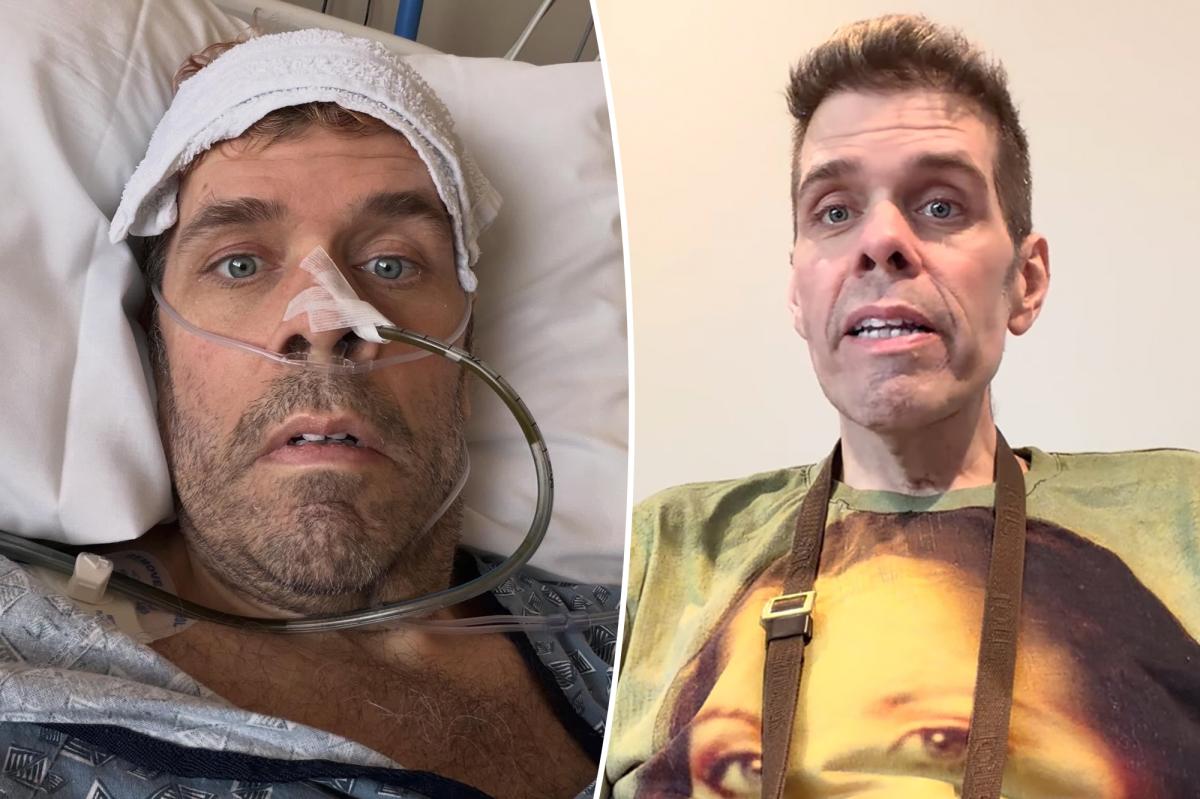
Perez Hilton's Harrowing Health Scare: From Flu Meds to a Sepsis Battle
The question,
is Perez Hilton sick, has been a significant concern for fans and followers of the notorious celebrity blogger. Recent revelations from Mario Armando Lavandeira Jr., better known as Perez Hilton, have unveiled a terrifying 21-day medical emergency that saw him fighting for his life. What began as a seemingly innocent attempt to combat the flu escalated rapidly into a severe health crisis involving an ulcer, perforation, and a life-threatening battle with sepsis. Hilton's ordeal serves as a stark reminder of the hidden dangers in everyday habits and the critical importance of understanding medication instructions.
The Alarming Trigger: Flu Medication on an Empty Stomach
Hilton, at 45 years old, recounted his harrowing experience, attributing his hospitalization to a seemingly minor oversight: taking flu medication without food. "My stupidity landed me in the hospital for 21 days. It was the worst and best thing that's ever happened to me," he confessed. For about a week, he had been battling the flu, diligently taking his prescribed medication. However, a lifelong habit of never consuming medication with food, a crucial instruction often overlooked, proved to be his undoing.
This common mistake created a cascade of severe medical complications. The medications, intended to alleviate his flu symptoms, instead wreaked havoc on his digestive system. What started as an ulcer in his stomach quickly progressed to a perforation – a hole in the stomach lining – allowing its contents to leak into his abdominal cavity. This alarming development led to the onset of sepsis, a severe and potentially fatal response to infection that can cause organ damage and widespread inflammation throughout the body. Hilton vividly recalled the day before his hospitalization: "I was in so much stomach pain. I was like ‘This is weird, but it’ll go away.'" The next morning, however, he "couldn’t walk" and required an ambulance trip to the emergency room, initiating a critical 21-day battle for survival. For a deeper dive into the specific dangers of this common mistake, consider reading
The Danger of Empty Stomach Medication: Perez Hilton's Life-Altering Ordeal.
A Grueling 21-Day Hospital Battle: Surgeries, Infections, and Setbacks
Upon admission, Hilton’s condition was dire, and the medical team faced the immediate challenge of locating the source of his rapidly deteriorating health. The initial days were a blur of intense pain and a battery of tests—X-rays, CT scans, and ultrasounds—as doctors struggled to pinpoint the perforation. "The first few days were a lot of pain and constant tests... because they couldn’t find where the perforation was. So that was scary," he shared.
After five agonizing days, he underwent laparoscopic surgery, an invasive procedure where doctors had to "flip around all of his organs" in a desperate search for the elusive tear. Despite this intervention, the battle was far from over. Infection persisted, necessitating yet another major procedure. Doctors inserted drainage tubes, removing "a ton more infection" from his body. However, the sepsis continued its relentless assault. Hilton's body began to falter, his heart rate became erratic, requiring heart medications, and he developed a new infection while still in the hospital. This illustrates the relentless and often unpredictable nature of severe septic infections, which can lead to multi-organ dysfunction. For a comprehensive look at his time in the hospital, read
Inside Perez Hilton's Critical 21-Day Hospital Battle and Recovery.
For over two weeks of his hospitalization, Perez Hilton was unable to eat solid food, relying entirely on a feeding tube. "Isn’t that crazy? ‘Cause I love food," he joked, highlighting the profound impact on his daily life. All his nutrition and medication were delivered intravenously. The eventual transition back to regular eating was another slow and challenging process, made even more difficult by "humiliating" accidents, requiring frequent assistance from the nursing staff. Hilton praised the kindness and patience of his nurses, acknowledging the immense emotional and physical toll of his recovery.
The Road to Recovery and Profound Life Lessons
Released from the hospital after 21 days, Perez Hilton is still not entirely out of the woods. He revealed he is recovering at home with a PICC line (Peripherally Inserted Central Catheter) in his arm, a scary IV with two lines, one of which goes to his heart, signifying the ongoing medical attention required for his recovery. He's facing a lengthy and gradual path back to 100% health.
This terrifying brush with death has prompted a significant re-evaluation of his lifestyle and priorities. Hilton, once synonymous with a fast-paced, often controversial public persona, is now committed to slowing down and being more present in his life. He pledged, "I’m going to have dinner with my kids and my mom every night from now on," emphasizing a renewed focus on family and cherishing everyday moments. He expressed profound gratitude for his family's unwavering support throughout this ordeal and lauded the "best care" he received from the medical staff.
Key Takeaways: Protecting Your Health and Learning from Perez Hilton’s Experience
Perez Hilton's dramatic hospitalization serves as a potent cautionary tale for everyone. Beyond the immediate answer to "
Is Perez Hilton sick?" (the answer being a resounding 'yes' and now 'recovering'), his story offers invaluable lessons:
- Always Read Medication Labels: This cannot be stressed enough. Instructions like "take with food" are not suggestions; they are crucial for preventing gastric irritation, ensuring proper absorption, and avoiding severe complications like ulcers and perforations. If unsure, always ask your pharmacist or doctor.
- Understand the "Why" Behind Instructions: Knowing that certain medications can irritate the stomach lining or require food for better absorption helps reinforce the importance of following directions.
- Never Ignore Severe Pain: Hilton initially dismissed his intense stomach pain. Any severe, unusual, or persistent pain, especially in the abdomen, warrants immediate medical attention. Early detection can be life-saving, particularly with conditions like perforations and sepsis.
- Recognize Sepsis Symptoms: Sepsis is a medical emergency. Symptoms can include fever, chills, rapid breathing and heart rate, confusion, extreme pain, or clammy skin. If you suspect sepsis, seek emergency care immediately.
- Prioritize Self-Care and Work-Life Balance: Hilton's pledge to slow down and prioritize family underscores the importance of managing stress and creating a lifestyle that supports physical and mental well-being. Burnout and neglecting basic health practices can have serious consequences.
- Trust Your Medical Team: Hilton praised his nurses and doctors, highlighting the critical role of skilled and compassionate healthcare professionals in navigating complex medical emergencies.
Perez Hilton's journey from flu medication to a critical sepsis scare is a powerful and personal reminder of our body's fragility and the immense responsibility we have to protect our health. His candor about his "stupidity" and the subsequent battle has opened a vital conversation about medication safety and listening to our bodies. While the road to full recovery is still ongoing, his commitment to a healthier, more present life is an inspiring testament to resilience and the profound impact of a near-death experience.